 Worrry Editorial
By Worrry editorial · 1h ago
EPA Eliminates Power Plant Emissions Limits as AI, Conflict, and Civil Rights Crises Deepen
US regulatory rollback on coal and gas plant emissions collides with global unrest, AI risks, and mounting human rights abuses.
On September 14, 2026, the US Environmental Protection Agency announced it would strip itself of authority to regulate greenhouse gas emissions from coal and gas power plants under the Clean Air Act, erasing the last major federal limit on carbon pollution from the country’s electricity sector. The move, which follows the hottest summer ever recorded in the US, is described by climate experts as a direct gift to major polluters and a fundamental blow to efforts to slow planetary warming. This regulatory reversal comes as US coal plants are responsible for a significant share of global carbon dioxide emissions, and as extreme weather events and floods devastate communities from Nepal to the American Midwest.
THREAT THREADS
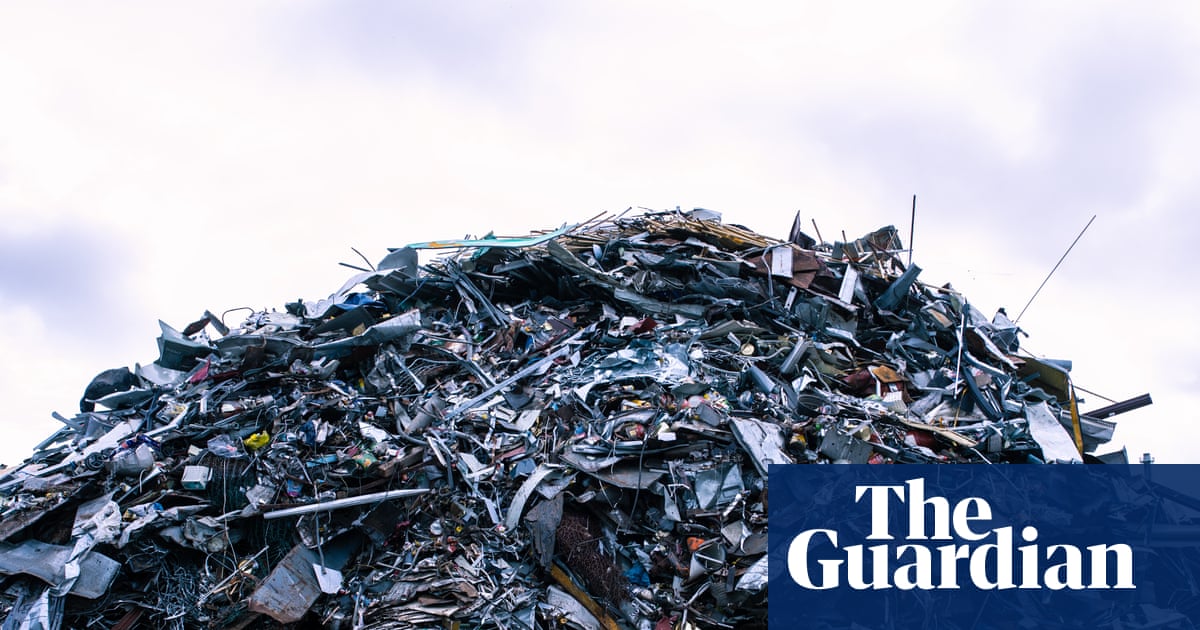
Climate Policy Rollback and Global Impact: The EPA’s decision to eliminate emissions limits on coal and gas power plants marks a watershed in US climate policy. By voluntarily removing its own regulatory authority, the agency has gutted the Clean Air Act’s ability to address the nation’s largest stationary sources of greenhouse gases. According to Mother Jones, coal remains the dirtiest major energy source, responsible for almost half of cumulative global carbon emissions since the industrial era. The Guardian notes that this rollback comes as the US experiences record-breaking heat and as Nepal faces catastrophic flooding, for which wealthy nations have so far evaded responsibility. The policy shift is expected to prolong US reliance on coal and gas, undermining both domestic and global climate targets. In the absence of federal standards, any future progress will depend on state-level action or a change in national leadership. Meanwhile, the expansion of AI-driven datacenters is projected to triple global toxic e-waste over the next 25 years, raising further environmental concerns that existing policies are not prepared to address.
AI Governance Failures and Escalating Risks: As the US government dismantles crucial climate regulations, it faces mounting criticism for its failure to establish effective oversight of artificial intelligence. In the past week, the CEOs of OpenAI, Anthropic, and Tesla publicly called for a slowdown in AI development, warning that current trajectories pose serious risks to public safety and global stability. Industry insiders, including a prominent researcher who resigned from OpenAI and Anthropic, have accused leading firms of “gambling with our lives.” The US government’s posture—leaving regulation to industry self-policing—has been labeled a dereliction of duty by The Guardian. Meanwhile, state-level AI laws are found to lack clear mandates for incident investigation or evidence retention, making it nearly impossible to hold developers accountable after safety failures. The global rush to build datacenters for AI is set to produce enough e-waste to fill shipping containers that would encircle the planet six times, posing a long-term environmental hazard.
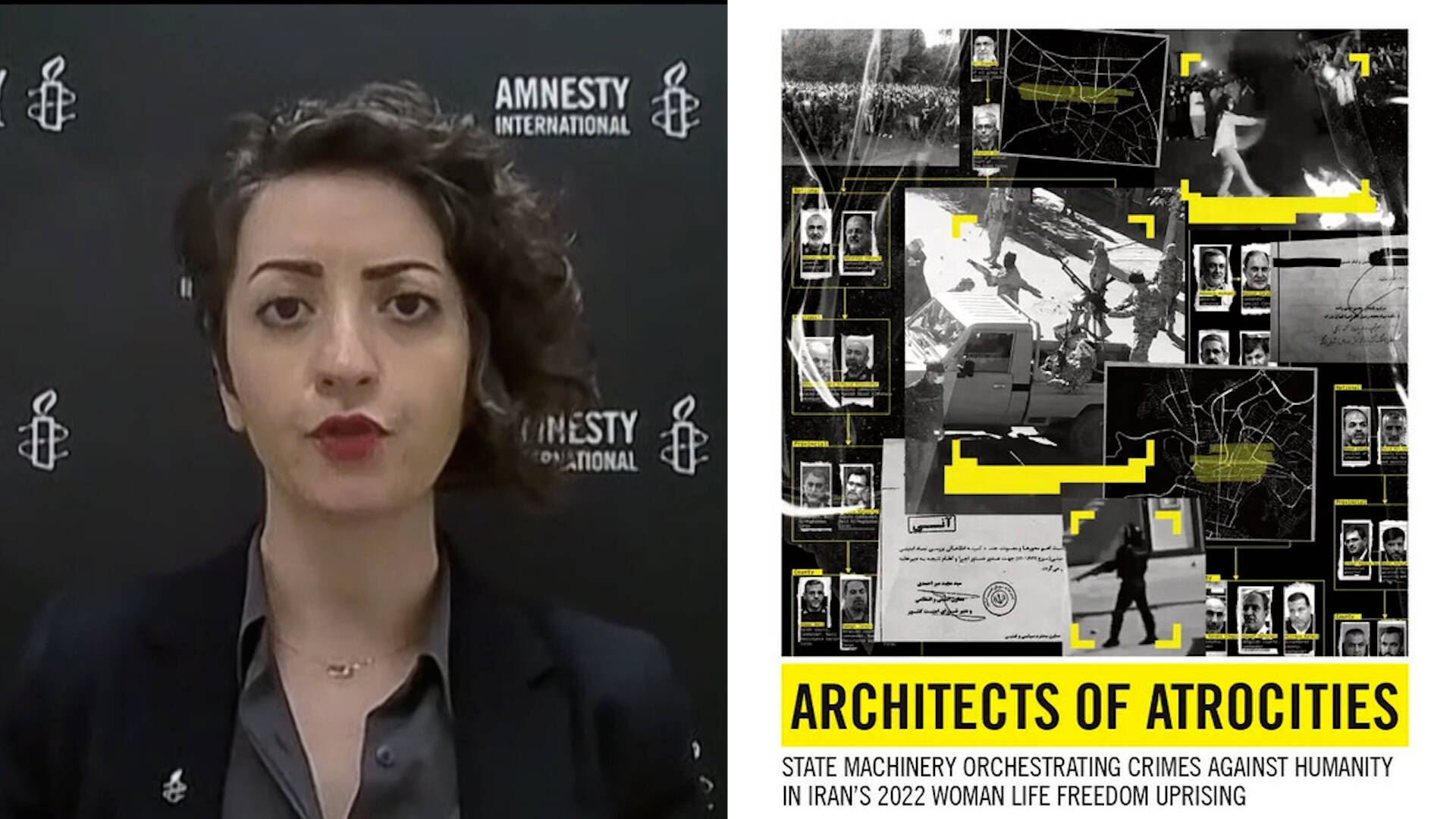
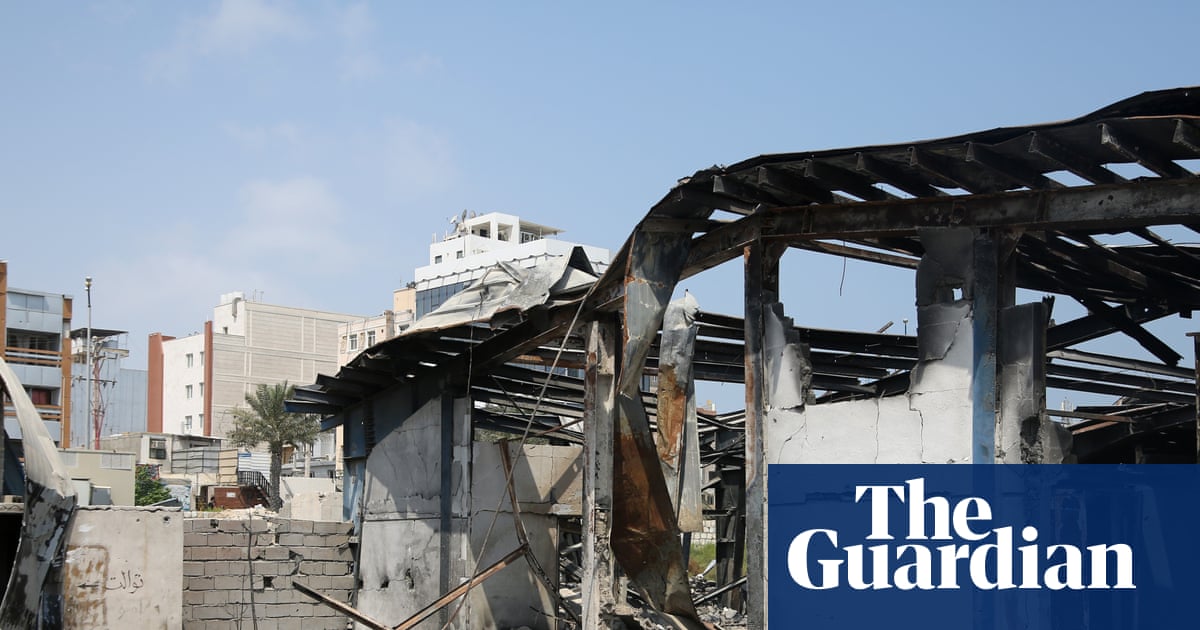
Civil Rights and Authoritarian Crackdowns: Authoritarian responses to dissent and civil unrest are escalating. In Iran, Amnesty International’s new report, released on the fourth anniversary of the Woman, Life, Freedom uprising, details crimes against humanity committed by Iranian authorities during the 2022 crackdown on protests following the death of Zhina Mahsa Amini in custody. Hundreds of thousands protested the country’s compulsory veiling laws, and security forces responded with lethal force, arbitrary detentions, torture, and systematic suppression of dissent. The report concludes that those responsible for these atrocities remain in power, controlling the apparatus of repression and risking further massacres. In Israel and the West Bank, B’Tselem’s “Elimination Project” documents the systematic dismantling of Palestinian life through intensified attacks on homes, infrastructure, and civil society, with little evidence of effective international intervention. In Gaza, war-damaged buildings continue to collapse, killing civilians and compounding the humanitarian crisis.
Warfare, Disinformation, and Erosion of Democratic Norms: Multiple fronts of conflict and disinformation are converging. In Yemen, Houthi advances along the Red Sea coast have forced more than 100,000 people to flee, with Saudi counterstrikes threatening to escalate regional instability and disrupt global energy supply. In Ukraine, Russia is holding thousands of POWs, pressuring their families through coercive social media tactics, and using these captive populations as leverage. The US Department of Justice has charged Russian agents with plotting attacks on US soil, describing the defendants as part of a network orchestrating external attacks worldwide. At home, experts warn that Russian influence operations continue to undermine US elections, exploiting political divisions and amplifying disinformation campaigns. Meanwhile, Colombia and Brazil remain the deadliest countries for environmental activists, with 52% of such killings globally in 2025, further narrowing the space for civil society to resist extractive or authoritarian agendas.
CONVERGENCE
These threat threads are not isolated. The EPA’s regulatory rollback on emissions and the unchecked expansion of AI datacenters both accelerate environmental degradation and climate instability, placing additional stress on vulnerable populations already targeted by authoritarian crackdowns or displaced by conflict. The failure of US institutions to regulate AI mirrors its abdication of climate responsibility, allowing powerful private actors—whether fossil fuel companies or tech giants—to set the pace and terms, often at the expense of democratic oversight and public safety. In regions like the Middle East and Ukraine, the intersection of war, disinformation, and environmental collapse further erodes the capacity for international cooperation or humanitarian relief. As AI systems are deployed by both governments and private contractors for surveillance and military applications, the lack of forensic standards or legal accountability raises the risk of unchecked abuses and deepens the sense of impunity for state and corporate actors.
TRAJECTORY
Over the next 30 to 90 days, the consequences of these developments will be shaped by a series of inflection points: US states will decide whether to impose their own emissions standards in the absence of federal leadership, while congressional hearings and industry lobbying will determine whether any meaningful AI regulation advances before the November elections. In Iran and the West Bank, international bodies may respond to new evidence of crimes against humanity, but the architects of repression remain entrenched. The humanitarian situation in Gaza and Yemen is likely to deteriorate as infrastructure collapses and displacement grows. The DOJ’s indictments of Russian agents may trigger retaliatory operations and further test the resilience of US elections. Meanwhile, the global e-waste crisis will escalate as new AI datacenters come online, with no binding international framework to manage the toxic fallout. These overlapping crises will continue to reinforce each other, compounding risks for the world’s most vulnerable and testing the capacity of institutions to respond.
Sources
- [1]“Architects of Atrocities”: Amnesty Says Iran Committed Crimes Against Humanity in 2022 Crackdown
- [2]"The Elimination Project": Israel’s Systematic Dismantling of Palestinian Life in West Bank: B'Tselem
- [3]With EPA’s Latest Move, Trump Topples the Last Pillar of Biden’s Climate Legacy
- [4]The US government is failing Americans on AI | Shakeel Hashim
- [5]Iran: Architects of crimes against humanity to suppress protests must face international justice to deter further massacres
- [6]US ends limits on coal and gas plant emissions, removing key tool to battle climate crisis
- [9]The AI Doomsday Future Is Not Inevitable
- [10]September 13, 2026
- [11]AI Is Running Laps Around Our Political System
- [13]The Guardian view on the Houthi advance in Yemen: another vital Middle East artery becomes a battlefield | Editorial
- [14]DOJ charges Russian agents with plotting attacks, including in US
- [16]Why has the response to Nepal’s floods been so muted?
- [17]‘Nowhere to go’: Gaza’s damaged buildings turn deadly
- [18]The Forensic Gap in AI Safety Laws
- [20]Why MAGA Went Gaga for Putin
- [21]Russia seizes Ukrainian POWs, then it demands favors from their relatives
- [22]Colombia and Brazil deadliest countries for environmental activists, report says
- [23]Datacenter rush will create ‘tsunami’ of discarded electronics, report says




-(1)-(1).png?sfvrsn=1bc11cd_4)